Sangameshwaram Lord Shiva Temple
Sangameswara Temple, Sangameshwaram
Sangameshwaram, Andhra Pradesh, India

 Nearby Airport:
  Nearby Railway Station:
  Nearby Bus Station:
Description:
Introduction
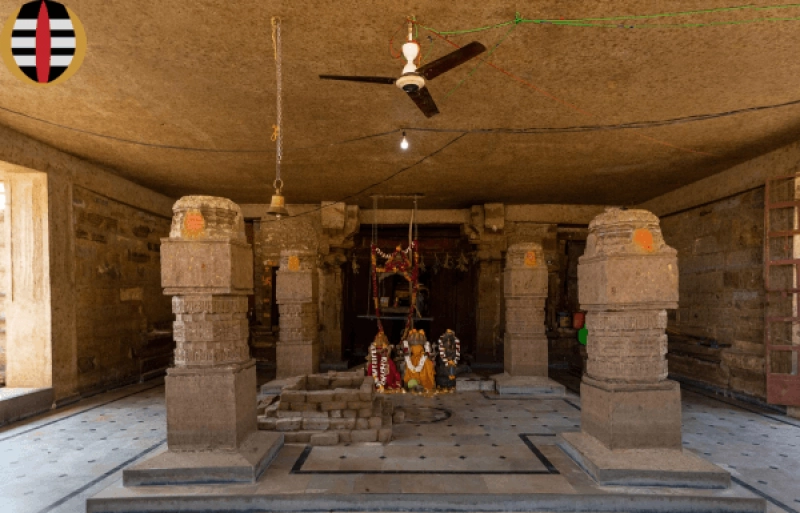
Sangameshwaram Lord Shiva Temple, also known as Sangameswara Temple or Sangameshwaralayam, is a rare and deeply sacred Shiva temple in Nandyal district, Andhra Pradesh. It is located near Muchumarri in the foreshore region of the Srisailam reservoir, at a holy confluence associated with the Krishna and Bhavanasi rivers.
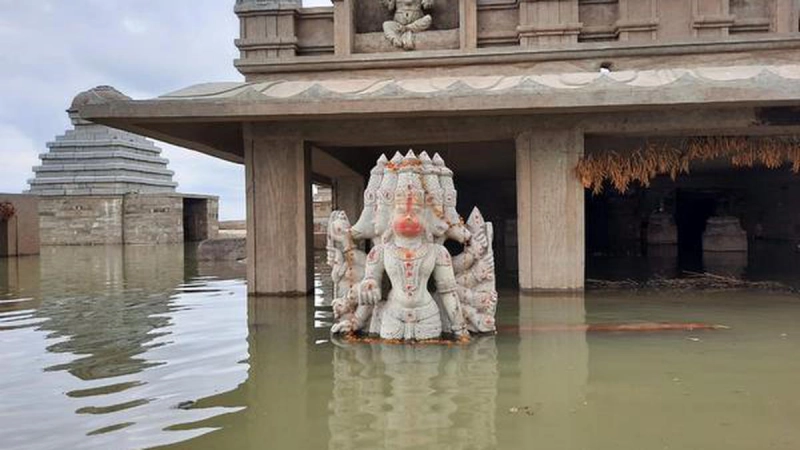
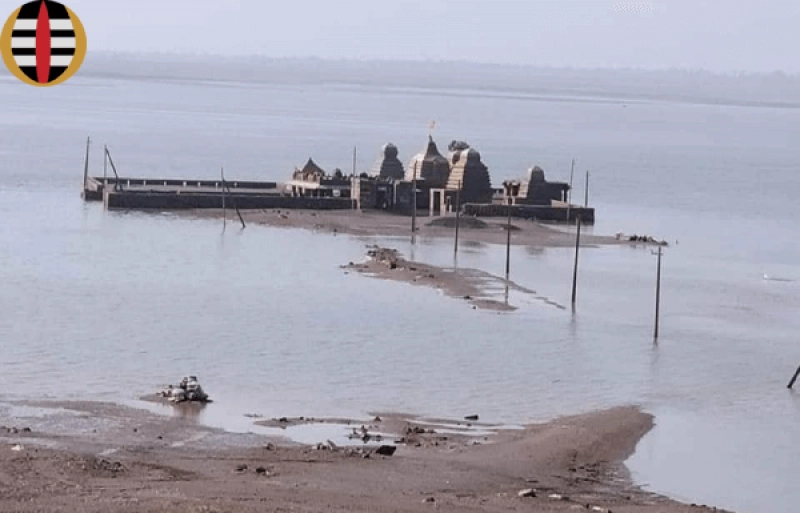
The temple is remarkable because it remains submerged under reservoir waters for much of the year and becomes visible only when the Srisailam water level recedes. This seasonal darshan gives Sangameshwaram a unique spiritual aura: devotees wait for the temple to emerge and treat the sight as a special blessing of Lord Shiva.
Sacred Confluence
The name Sangameshwaram comes from sangamam, meaning confluence. The kshetra is traditionally revered as a meeting point of seven sacred river streams: Krishna, Bhavanasi, Veni, Tunga, Bhadra, Bheemarathi, and Malapaharini. Because of this, the temple is considered a powerful place for Shiva worship, ancestral remembrance, purification, and prayer.
In Hindu tradition, confluences are spiritually charged spaces where river energies meet. At Sangameshwaram, the presence of Lord Shiva at such a sangamam makes the place especially meaningful for devotees from Rayalaseema, Telangana, Karnataka, and other regions connected with the Krishna river system.
Legend and Deity
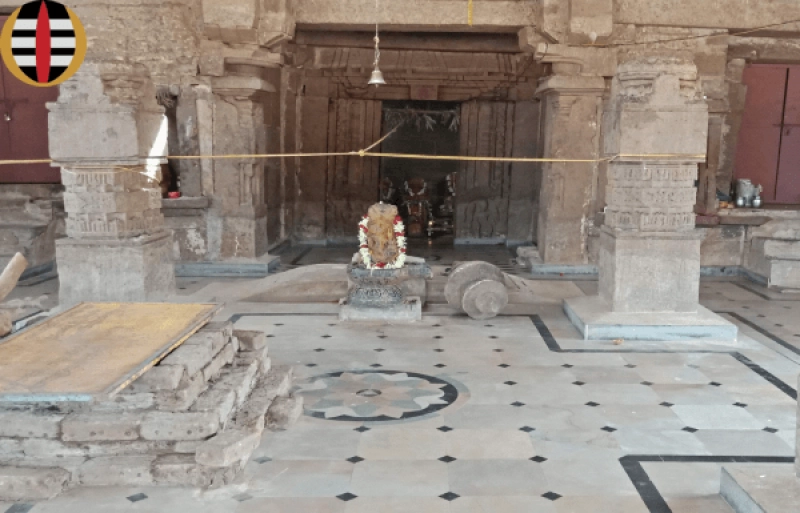
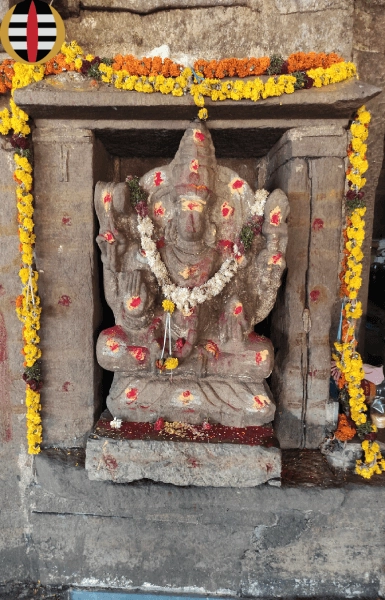
Local tradition connects the temple with the Pandavas. The Shiva linga of Sangameshwaram is believed by devotees to have been installed by Dharmaraja, the eldest of the Pandavas, after their visit to Srisailam Mallikarjuna. The deity is worshipped as Lord Sangameswara, the Shiva of the sacred river confluence.
The temple is especially remembered for its wooden Shiva linga tradition and its powerful association with water, penance, and emergence. When the shrine surfaces from the reservoir, devotees gather for darshan, abhishekam, archana, and offerings to Lord Shiva.
Submerged Temple and Srisailam Reservoir
After the construction of the Srisailam Dam, the temple came within the submergence zone of the reservoir. Since then, Sangameshwaram has become a seasonal temple, hidden under water for long periods and visible only when reservoir levels fall sufficiently.
This unusual rhythm has made the temple famous. Devotees often follow local updates about the water level before planning a visit. The moment the temple reappears, worship resumes with renewed devotion, and pilgrims travel to the site for the rare darshan.
Worship and Festivals
When the temple is accessible, worship is performed with deep devotion. Shiva abhishekam, bilva leaf offerings, lamps, and chanting are common. Maha Shivaratri, Kartika Masam, Mondays, and Pradosham are especially important for Shiva devotees, though actual access depends on reservoir conditions.
- Maha Shivaratri: The most important festival for Lord Shiva, marked by fasting, night worship, and mantra chanting.
- Kartika Masam: A sacred month for deepam offerings and Shiva puja.
- Pradosham: A traditional evening time for Shiva worship twice every lunar month.
- Seasonal Darshan: The temple's visible period itself is treated as a special pilgrimage opportunity.
How to Reach
Sangameshwaram is located near Muchumarri in Nandyal district, Andhra Pradesh, in the Srisailam reservoir region.
- By Road: Pilgrims usually approach through Nandyal, Atmakur, Muchumarri, or nearby local routes, depending on access conditions.
- By Train: Nandyal is a useful railway point for many visitors, followed by local road travel.
- By Air: Kurnool, Hyderabad, or Vijayawada airports may be used depending on the traveller's route, followed by road travel.
- Local Access: Because the temple is in a reservoir foreshore area, local guidance is essential before visiting.
Visitor Information
- Check Visibility: Confirm whether the temple has surfaced and whether public access is permitted before travelling.
- Safety: Be cautious near reservoir banks, muddy ground, slippery stones, and changing water levels.
- Carry Essentials: Water, simple food, sun protection, and basic first-aid are recommended.
- Respect the Site: Do not litter, avoid entering unsafe water zones, and follow local instructions.
- Nearby Pilgrimage: Srisailam Mallikarjuna Swamy Temple and other Nallamala-region sacred sites can be included in a broader pilgrimage plan.