Lord Vinayaka: Ganesha, Vighneswara and the Remover of Obstacles
Lord Vinayaka, more widely known as Ganesha, Ganapati, Vighneswara, Vighnaharta and Pillaiyar, is one of the most beloved deities in Hindu tradition. He is worshipped as the remover of obstacles, the lord of auspicious beginnings, the patron of wisdom, learning, arts, memory, business and practical intelligence. Before major rituals, journeys, studies, marriages, housewarmings and new ventures, devotees invoke Ganesha so that the path may become clear and the mind may become steady.
The corrected devotional spelling is usually Vighneswara or Vighneshvara, meaning the Lord of obstacles. This name does not mean he merely removes difficulty; it also means he governs obstacles. He can remove them, place them as lessons, or transform them into steps toward maturity when approached with humility and devotion.
Meaning of the Names Vinayaka, Ganesha and Ganapati
The name Vinayaka is often understood as an independent leader or one who guides without needing another master. Ganesha means the lord of the ganas, the divine attendants of Shiva. Ganapati carries a similar meaning: the chief or lord of groups, communities and divine hosts. Vighneswara means the lord who controls obstacles, while Vighnaharta means the remover of obstacles.
These names together reveal Ganesha's special place in Hindu worship. He is the first deity remembered because he represents clear thinking, right order, humility, protection and the ability to begin well.
Birth of Ganesha
One of the most cherished legends tells that Parvathi Devi created Ganesha from the sacred paste or turmeric of her own body and gave him life. She appointed him as the guardian of her doorway. When Lord Shiva returned and was stopped by the young guardian, a conflict arose, and Shiva unknowingly severed the child's head. Seeing Parvathi's grief and divine anger, Shiva restored the child to life with the head of an elephant and blessed him as the foremost among the gods.
This story carries deep symbolism. Ganesha is born from Shakti, the creative power of the Divine Mother, and receives recognition from Shiva, the supreme consciousness. The elephant head represents wisdom, strength, memory and the ability to remove obstacles from the path. His position as the first worshipped deity comes from the blessings of both Shiva and Parvathi.
Iconography and Symbolism
Ganesha's form is one of the richest symbolic images in Hindu devotion. Every feature teaches a spiritual lesson for daily life.
- Elephant head: Wisdom, strength, memory, patience and the ability to clear a path.
- Large ears: The importance of listening carefully before acting or judging.
- Small eyes: Focus, concentration and the ability to see what truly matters.
- Curved trunk: Adaptability, discrimination and skill in handling both subtle and heavy tasks.
- Broken tusk: Sacrifice, humility and the power to complete a noble task despite imperfection.
- Large belly: The capacity to digest life's joys and sorrows with balance.
- Modaka: The sweetness of wisdom and the reward of disciplined devotion.
- Mouse vehicle: Desire and restless thoughts brought under control by wisdom.
Ganesha as Scribe of the Mahabharata
A famous tradition says that Sage Vyasa chose Ganesha to write the Mahabharata as he dictated it. Ganesha agreed on the condition that Vyasa would recite without pause, while Vyasa asked that Ganesha must understand every verse before writing it down. This beautiful story shows Ganesha as the deity of intellect, memory, scriptural understanding and disciplined writing.
In some tellings, when his writing instrument broke, Ganesha broke one of his own tusks and continued writing. This is why he is called Ekadanta, the one-tusked lord. The story teaches that wisdom is not passive; it is willing to sacrifice comfort for dharma and knowledge.
Relationship with Shiva, Parvathi and Kartikeya
Ganesha is the son of Shiva and Parvathi and the brother of Kartikeya. In mythology, he balances the fierce and ascetic world of Shiva with the nurturing and protective love of Parvathi. As a child of both consciousness and energy, he becomes a bridge between spiritual insight and practical life.
Stories of Ganesha and Kartikeya often teach that wisdom is as powerful as speed or physical strength. In the well-known tale of circling the world, Ganesha goes around his parents, declaring that Shiva and Parvathi are the universe itself. This expresses devotion, insight and the recognition of parents and guru as sacred.
Forms and Names of Ganesha
Ganesha is worshipped in many forms across India and the world. Each form emphasizes a different blessing or spiritual quality.
- Vakratunda: The curved-trunk lord who corrects crooked tendencies.
- Ekadanta: The one-tusked lord of sacrifice and focused effort.
- Lambodara: The large-bellied lord who contains the universe.
- Vighnaraja: The king over obstacles and their removal.
- Siddhivinayaka: The giver of accomplishment and spiritual success.
- Heramba Ganapati: A protective form associated with compassion and strength.
Worship and Festivals
Ganesha Chaturthi is the most famous festival dedicated to Lord Vinayaka. Devotees install clay images of Ganesha, offer prayers, chant mantras, sing bhajans and later immerse the image in water, symbolizing the return of form into the formless divine. The festival combines devotion, community, art, music and spiritual renewal.
Common offerings include modakas, laddus, durva grass, coconut, flowers and lamps. Popular mantras include Om Gam Ganapataye Namah, Vakratunda Mahakaya, Ganesha Gayatri and Ganapati Atharvashirsha. In many homes and temples, Ganesha is invoked before every major puja, because auspiciousness begins with clarity and humility.
Spiritual Message of Lord Vinayaka
Lord Vinayaka teaches that obstacles are not always punishments; they can be teachers. A blocked path may invite patience, a difficult beginning may demand humility, and confusion may push the mind toward wisdom. By worshipping Ganesha, devotees ask not only for outer problems to disappear but also for inner confusion, pride, fear and laziness to be removed.
His round, gentle and joyful form reminds devotees that wisdom need not be harsh. True intelligence is kind, practical, patient and steady. To begin with Ganesha is to begin with remembrance, right intention and trust that the divine can guide every step.
Related Temples
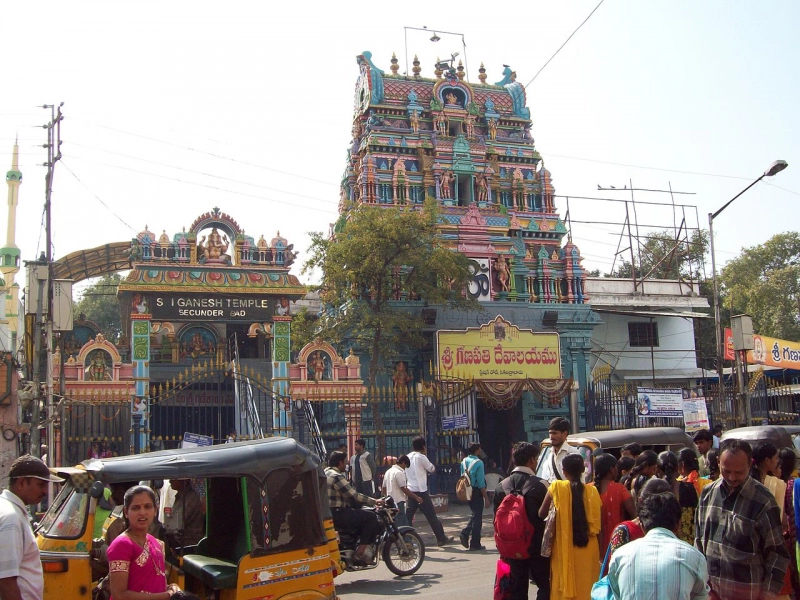
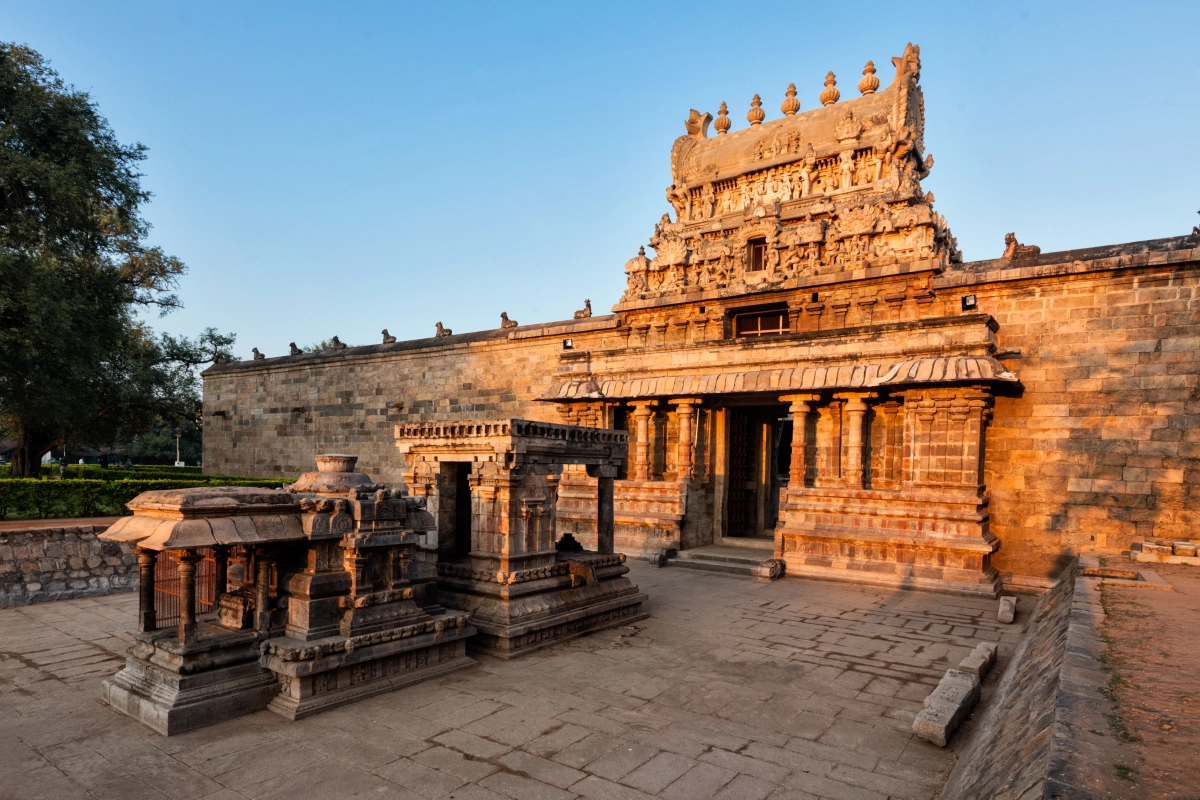
Explore temples →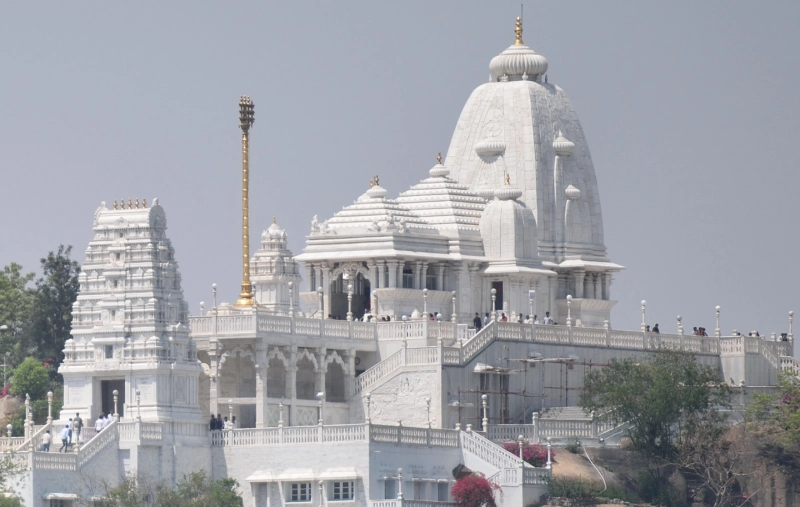
Continue Exploring
Open related mythology, temple pages, mantras and the interactive connection web.