Mahakaleshwar Jyotirlinga
Mahakaleshwar Temple, Ujjain
Ujjain, Madhya Pradesh, India

 Nearby Airport: Devi Ahilya Bai Holkar Airport - 55 km
 Nearby Railway Station: Ujjain Railway Station
 Nearby Bus Station:
Ujjain Bus Stand
Nearby Bus Station:
Ujjain Bus Stand
Description:
Introduction
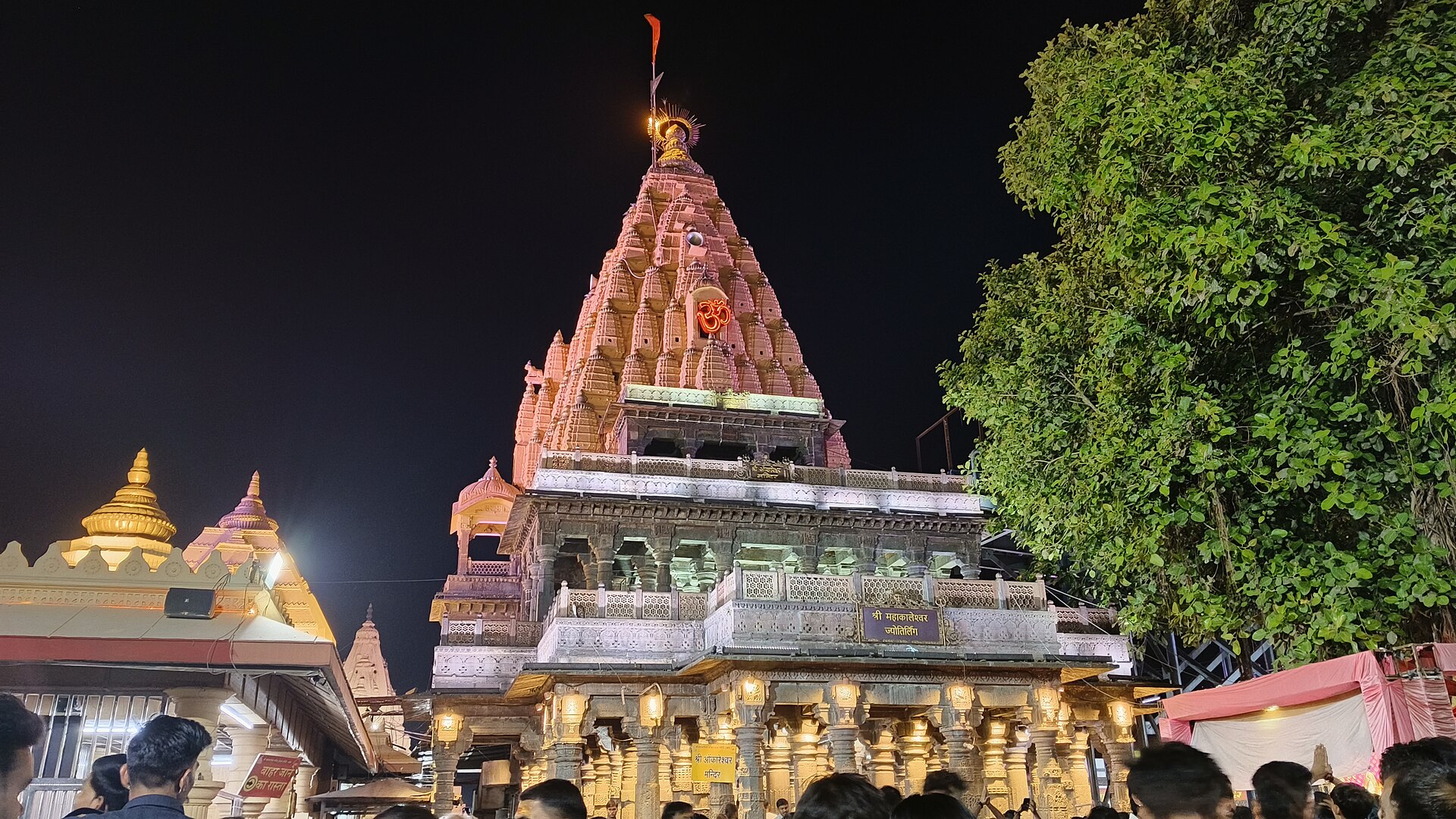
Located in the ancient city of Ujjain in Madhya Pradesh, Mahakaleshwar Jyotirlinga is one of the twelve sacred Jyotirlingas of Lord Shiva and among the most revered Shaiva pilgrimage centres in India. The temple stands close to the holy Shipra River and is worshipped as the abode of Mahakal, the Lord of Time and Death.
For devotees, Mahakaleshwar is not only a Jyotirlinga but also a powerful kshetra where Shiva is believed to protect his devotees from fear, untimely death, and the cycle of worldly suffering. Ujjain itself is one of the ancient sacred cities of India, famous for Simhastha Kumbh, Shaiva worship, astronomy, learning, and long-standing spiritual traditions.
Meaning and Spiritual Significance
The name Mahakaleshwar comes from two Sanskrit words: Maha, meaning great, and Kala, meaning time or death. As Mahakal, Lord Shiva is worshipped as the supreme power beyond time. The Jyotirlinga here is traditionally regarded as Swayambhu, self-manifested, and is believed to draw divine energy from within itself.
A unique feature of this shrine is that the linga is Dakshinamukhi, facing south. In Shaiva tradition, the south-facing form of Shiva is associated with mastery over death, transformation, and liberation. This makes Mahakaleshwar especially important for devotees seeking protection, inner strength, and spiritual release.
Legends of Mahakal
One popular legend tells of King Chandrasena of Ujjain, a great devotee of Lord Shiva. When enemy kings and demonic forces threatened the city, a young devotee named Shrikhar and a priest named Vridhi prayed intensely to Shiva for protection. Lord Shiva is believed to have appeared in his fierce Mahakal form, destroyed the forces of adharma, and agreed to remain in Ujjain as the Jyotirlinga for the welfare of devotees.
The temple is also connected with the larger Jyotirlinga tradition described in the Shiva Purana, where Lord Shiva manifested as an infinite column of light. The twelve Jyotirlingas are revered as places where this supreme light of Shiva is worshipped in linga form.
History and Architecture
The sacred presence of Mahakaleshwar is praised in ancient tradition, while the present temple complex reflects layers of history and reconstruction. The shrine suffered damage during medieval invasions and was later revived during the Maratha period in the eighteenth century. The present form of the temple carries influences of Maratha, Bhumija, and Chalukya architectural styles.
The temple complex has a strong vertical arrangement with the sanctum of Mahakaleshwar at its spiritual core. Shrines dedicated to Lord Ganesha, Goddess Parvati, Lord Kartikeya, Nandi, and other deities are part of the wider sacred layout. The Nagchandreshwar Temple, located in the upper part of the complex, is traditionally opened to devotees only on Nag Panchami.
Bhasma Aarti and Daily Worship
The most famous ritual of Mahakaleshwar Temple is the early morning Bhasma Aarti. Performed before dawn, this aarti is a deeply revered offering to Mahakal and is one of the temple's most distinctive traditions. Devotees usually need advance booking and must follow temple guidelines for attending the ritual.
Throughout the day, the temple conducts darshan, abhishekam, aartis, and other forms of Shiva worship. Because Mahakaleshwar receives very high pilgrim footfall, visitors are advised to check the official temple arrangements, entry gates, and booking rules before planning special darshan or aarti participation.
Festivals and Mahakal Sawari
Maha Shivaratri is celebrated with great devotion at Mahakaleshwar. The temple also observes Shiva Navratri, special abhishekams, alankarams, mantra chanting, and large-scale pilgrim worship during the festival period.
- Maha Shivaratri: The grandest annual festival, marked by night-long worship, special rituals, and heavy darshan crowds.
- Shravan and Bhadrapada: The famous Mahakal Sawari procession is taken through Ujjain, with devotees accompanying Baba Mahakal in a ceremonial procession.
- Nag Panchami: The Nagchandreshwar shrine is traditionally opened for devotees on this day.
- Pradosham and Mondays: Regular Shiva worship, bilva offerings, and evening darshan draw local and visiting devotees.
Shri Mahakal Lok
The temple precinct is now connected with Shri Mahakal Lok, a large spiritual corridor developed around the temple and Rudra Sagar area. The corridor includes sculptural panels, pillars, murals, and devotional installations depicting stories of Lord Shiva. It has made the pilgrim experience more spacious and visually rich while highlighting the sacred heritage of Ujjain.
How to Reach
Mahakaleshwar Temple is located in the heart of Ujjain, Madhya Pradesh, and is well connected by road and rail.
- By Train: Ujjain Junction is the nearest major railway station and is connected with many Indian cities. The temple is a short local ride from the station.
- By Air: The nearest airport is Devi Ahilya Bai Holkar Airport, Indore. Ujjain can be reached from Indore by taxi, bus, or private vehicle.
- By Road: Ujjain is well connected with Indore, Bhopal, Omkareshwar, and other cities in Madhya Pradesh by road.
Visitor Information
- Best Time to Visit: Early mornings, weekdays outside peak festival periods, Shravan month, and Maha Shivaratri are important devotional times.
- Dress Code: Modest traditional clothing is recommended, especially for aarti or special puja participation.
- Booking: Bhasma Aarti and certain special darshan arrangements may require online or advance booking through official channels.
- Nearby Sacred Places: Harsiddhi Temple, Kal Bhairav Temple, Ram Ghat, Mangalnath Temple, and other Ujjain tirthas can be visited along with Mahakaleshwar.
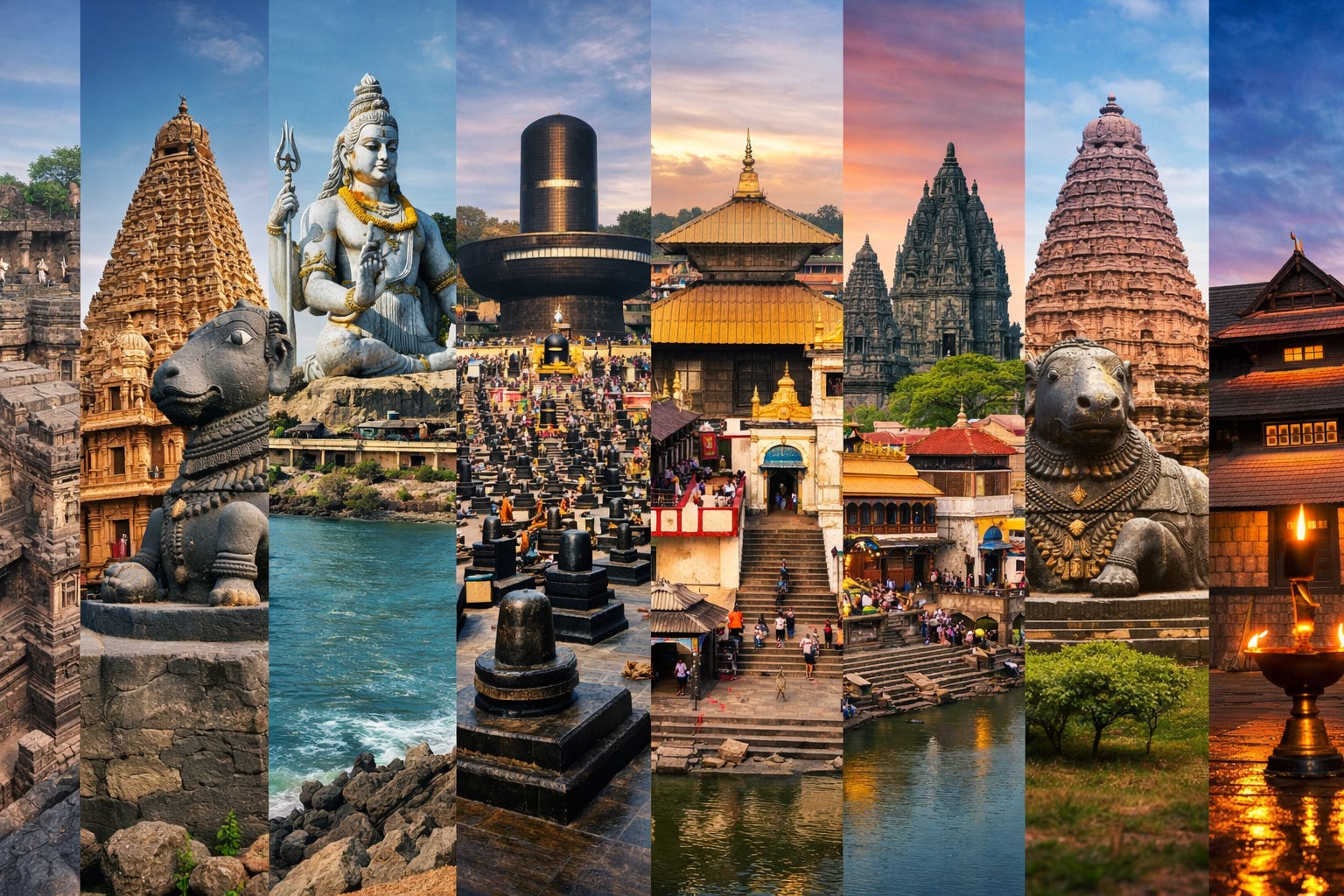
Other temples in this group